Raspberry pi set up android – Embark on a journey into the realm of the Raspberry Pi, a tiny marvel that is rewriting the principles of what is doable. Think about this: a pc the dimensions of a deck of playing cards, but able to unlocking a universe of prospects. And what if we advised you this pocket-sized powerhouse may run Android? Sure, the exact same working system that powers billions of smartphones and tablets.
We’re speaking about remodeling your Raspberry Pi right into a media middle, a gaming console, or perhaps a moveable productiveness hub.
This information is not only a technical guide; it is an invite to discover, to experiment, and to push the boundaries of what your Raspberry Pi can do. We’ll demystify the method, breaking down advanced ideas into digestible steps, from understanding the {hardware} to flashing the Android picture and configuring your personalised setup. We’ll delve into the guts of this fusion, evaluating the capabilities of a Raspberry Pi with these of typical Android units, providing a whole information to get you up and operating.
Introduction to Raspberry Pi and Android
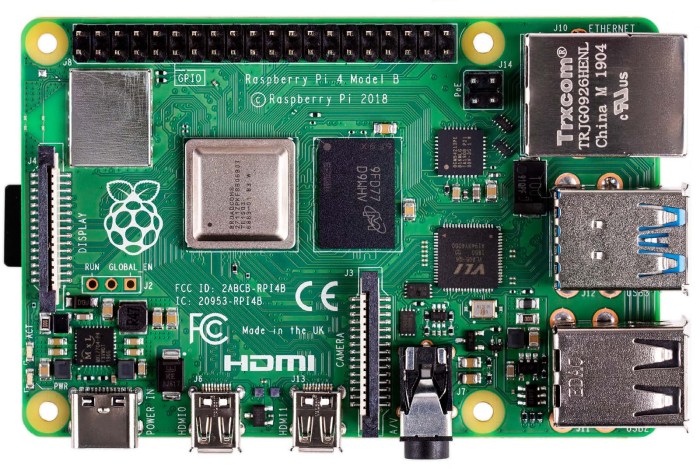
Let’s embark on a journey into the fascinating world the place the Raspberry Pi, a credit-card-sized pc, meets Android, the cell working system that powers billions of units worldwide. This mix opens up a realm of prospects, permitting us to repurpose and reimagine expertise in thrilling methods. We’ll discover the essence of every expertise and their distinctive interaction.
The Raspberry Pi: A Miniature Marvel
The Raspberry Pi is basically a tiny, inexpensive pc. Consider it as a stripped-down model of your desktop, packed onto a small circuit board. It is designed to be a flexible platform for studying, tinkering, and creating. It may do many issues a daily pc can, similar to shopping the web, enjoying video games, and operating numerous functions. The Pi’s enchantment lies in its accessibility and its potential to be personalized for particular duties.
It has a processor, reminiscence, and ports for connecting to a monitor, keyboard, and different peripherals.
A Temporary Historical past of Android and its Frequent Makes use of
Android’s journey started as a undertaking by Android Inc., later acquired by Google. It was initially designed for digital cameras however rapidly developed right into a cell working system. Its open-source nature fueled its speedy adoption, resulting in a vibrant ecosystem of builders and functions. Android’s recognition is simple; it is the dominant working system for smartphones and tablets globally. It powers the whole lot from easy communication units to classy leisure hubs.
It’s identified for its user-friendly interface and intensive app library, providing a big selection of functionalities, from social media and productiveness instruments to gaming and navigation.
Evaluating and Contrasting the Raspberry Pi and Typical Android Gadgets
The Raspberry Pi and typical Android units, like smartphones and tablets, share a typical ancestor, however their functions and designs differ considerably.Android units, constructed for portability and ease of use, supply a whole, built-in expertise. They prioritize a streamlined person interface and infrequently embody options like touchscreens, mobile connectivity, and built-in cameras.The Raspberry Pi, then again, is a extra open-ended platform.
It supplies flexibility and customization choices.Here is a comparability:
- Kind Issue: Android units are compact and moveable, designed for handheld use. The Raspberry Pi is a naked circuit board, meant to be related to exterior peripherals.
- Working System: Android units run the Android working system, optimized for touchscreens and cell functions. The Raspberry Pi can run numerous working methods, together with Android, Linux distributions, and others, providing a wider vary of software program selections.
- {Hardware}: Android units usually have built-in screens, cameras, and batteries. The Raspberry Pi requires exterior elements like a monitor, keyboard, and energy provide.
- Goal: Android units are primarily designed for shopper use, specializing in communication, leisure, and productiveness. The Raspberry Pi is geared in the direction of training, experimentation, and customized tasks.
- Value: Whereas the value of Android units varies extensively, the Raspberry Pi is usually extra inexpensive, making it a wonderful choice for hobbyists and educators.
In essence, an Android machine is able to exit of the field, whereas the Raspberry Pi requires some setup and configuration, however the prospects it affords are just about limitless. For instance, think about the evolution of Android units. Early Android telephones, with restricted processing energy and small screens, have been revolutionary for his or her time. At the moment, smartphones boast highly effective processors, high-resolution shows, and intensive app ecosystems.
Equally, the Raspberry Pi, from its humble beginnings, has developed by way of a number of iterations, every extra highly effective and versatile than the final. These enhancements in {hardware} capabilities permit the Raspberry Pi to deal with more and more advanced duties, together with operating Android.
Why Set up Android on Raspberry Pi?
Embarking on the journey of putting in Android on a Raspberry Pi opens a world of prospects, remodeling this tiny pc into a flexible machine able to operating a plethora of functions. This part explores the compelling causes behind this transformation, highlighting the advantages, sensible functions, and inherent limitations that form the expertise.
Benefits of Working Android on a Raspberry Pi
The attract of Android on a Raspberry Pi stems from a mix of comfort, versatility, and cost-effectiveness. By bridging the hole between a strong, open-source working system and a compact, inexpensive {hardware} platform, customers unlock a brand new stage of performance.
- Entry to an unlimited app ecosystem: One of many major benefits is the power to faucet into the Google Play Retailer (or various app shops), having access to hundreds of thousands of functions, from productiveness instruments and social media platforms to video games and streaming companies. Think about remodeling your Raspberry Pi right into a devoted media participant, gaming console, or perhaps a digital signage show, all powered by the acquainted Android interface.
- Value-effectiveness and reusability: Raspberry Pi boards are remarkably inexpensive. This makes them a cost-effective various to devoted Android units, particularly for specialised use circumstances. Moreover, repurposing current Raspberry Pi {hardware} to run Android extends the lifespan of your units and reduces digital waste.
- Customization and adaptability: Android, being an open-source working system, permits for a excessive diploma of customization. Customers can modify the interface, set up customized launchers, and tailor the system to their particular wants. This flexibility is a big draw for tinkerers and fanatics who get pleasure from experimenting with totally different software program configurations.
- Portability and power effectivity: The small type issue and low energy consumption of the Raspberry Pi, mixed with Android’s optimized efficiency, make it a really perfect alternative for moveable tasks. This permits for the creation of cell media facilities, moveable gaming consoles, and even embedded management methods that may run for prolonged durations on battery energy.
Potential Use Circumstances for Android on a Raspberry Pi
The fusion of Android and Raspberry Pi provides delivery to a mess of thrilling functions, remodeling the machine into a flexible software for numerous functions. These are a couple of of the potential makes use of.
- Media Heart: The Raspberry Pi, when operating Android, turns into a strong media middle. It may stream films, TV reveals, and music from numerous sources, together with native storage, community shares, and on-line streaming companies. Think about a devoted media middle tucked away discreetly, offering entry to all of your favourite content material.
- Gaming Console: Android’s intensive library of video games, coupled with the Raspberry Pi’s processing capabilities, makes it a wonderful platform for gaming. The machine can emulate retro sport consoles, run cell video games, and even assist exterior sport controllers for a extra immersive expertise.
- Digital Signage: Companies and organizations can use a Raspberry Pi operating Android to create dynamic digital signage shows. These shows can showcase ads, informational content material, or interactive experiences. The flexibility to replace content material remotely makes this a cheap and versatile answer.
- House Automation Hub: Android on Raspberry Pi can function a central hub for controlling sensible residence units. It may combine with numerous residence automation platforms, permitting customers to regulate lights, home equipment, and safety methods from a single interface.
- Academic Software: For instructional functions, Android on Raspberry Pi affords an interactive studying atmosphere. It supplies entry to instructional apps, video games, and sources, making it a invaluable software for college students of all ages.
Limitations of Putting in Android on a Raspberry Pi
Whereas the prospect of operating Android on a Raspberry Pi is thrilling, it is important to acknowledge the constraints that may impression the person expertise.
- Efficiency constraints: The Raspberry Pi, whereas highly effective for its measurement, has restricted processing energy in comparison with devoted Android units. This can lead to slower efficiency, significantly when operating demanding functions or video games. Count on a smoother expertise on newer Raspberry Pi fashions, just like the Raspberry Pi 4 or Raspberry Pi 5.
- Software program compatibility: Not all Android functions are totally optimized for the Raspberry Pi’s {hardware} structure (ARM). Some apps might expertise compatibility points, crashes, or require workarounds to operate accurately. This is because of variations in {hardware} and software program drivers.
- Touchscreen dependency: Android is designed primarily for touchscreens. Whilst you can join a mouse and keyboard, the person expertise might not be as seamless as on a devoted Android machine. The shortage of optimized interfaces for mouse/keyboard enter can generally result in clunky navigation.
- Boot-up time: Booting Android on a Raspberry Pi can take longer than booting a regular Linux distribution. That is as a result of overhead of the Android working system and the initialization course of.
- Storage limitations: The storage capability of the Raspberry Pi’s microSD card could be a bottleneck. Putting in quite a few functions and media recordsdata can rapidly replenish the accessible area, requiring cautious administration of storage.
{Hardware} Necessities and Compatibility

Embarking on the Android-on-Raspberry Pi journey requires a cautious collection of {hardware}. Selecting the best elements ensures a easy and fulfilling expertise, remodeling your tiny pc into a flexible leisure or productiveness powerhouse. This part dives into the specifics, offering clear tips for choosing appropriate fashions, storage, and peripherals.
Suitable Raspberry Pi Fashions
The Android expertise on a Raspberry Pi shouldn’t be universally accessible throughout all fashions. Compatibility is primarily dictated by the processor structure and the provision of optimized Android builds. Whereas progress is constantly being made, understanding which Raspberry Pi boards are supported is the essential first step.The next Raspberry Pi fashions are typically appropriate with Android installations:* Raspberry Pi 3 Mannequin B
- Raspberry Pi 3 Mannequin B+
- Raspberry Pi 4 Mannequin B (all RAM configurations)
You will need to observe that the Raspberry Pi Zero and Zero W fashions, whereas extremely standard for his or her measurement and affordability, usually lack the processing energy and reminiscence obligatory for a passable Android expertise. Assist for these fashions can also be much less widespread.
Really useful SD Card Specs
The SD card serves as the first storage for the Android working system and all of your apps and knowledge. The pace and high quality of the SD card considerably impression the general efficiency of your Android set up. A sluggish SD card will lead to sluggish operation, lengthy boot occasions, and a typically irritating person expertise.Here is what it is best to think about when choosing an SD card:* Pace Class: Go for a card with a minimal pace class of Class 10 or, ideally, UHS-I (U1) or UHS-II (U3).
These pace lessons point out the minimal write speeds, making certain sooner knowledge switch.
Capability
A minimal capability of 16GB is beneficial. Nevertheless, 32GB or 64GB supplies more room for apps, video games, and media recordsdata, and affords a extra future-proof answer.
Model and High quality
Select respected manufacturers like SanDisk, Samsung, or Lexar. These manufacturers supply dependable efficiency and a decrease danger of knowledge corruption. Keep away from generic or unknown manufacturers, as they could be unreliable.
Investing in a high-quality SD card is among the most impactful upgrades you may make to enhance your Android-on-Raspberry Pi expertise.
Required Peripherals
To work together together with your Android set up on the Raspberry Pi, you will want a couple of important peripherals. These are the instruments that bridge the hole between the digital world of Android and the bodily world you work together with.Here is a breakdown of the required peripherals:* Keyboard: A USB or Bluetooth keyboard is important for inputting textual content, navigating menus, and controlling functions.
Mouse
A USB or Bluetooth mouse permits for exact management, making it simpler to work together with the Android interface.
Show
You may want a show, similar to a monitor or TV, with an HDMI or composite enter to see the Android interface. The Raspberry Pi outputs video by way of these ports.Further peripherals, similar to audio system for audio output and an influence provide, are additionally obligatory for an entire setup, though these are usually implied.
{Hardware} Necessities Desk
This desk summarizes the {hardware} necessities for putting in Android on totally different Raspberry Pi fashions, providing a fast reference information that will help you select the appropriate elements.
| Part | Raspberry Pi 3 Mannequin B | Raspberry Pi 3 Mannequin B+ | Raspberry Pi 4 Mannequin B |
|---|---|---|---|
| Suitable Android Builds | LineageOS, AOSP (Customized Builds) | LineageOS, AOSP (Customized Builds) | LineageOS, AOSP (Customized Builds), Android TV (Restricted) |
| Really useful SD Card | Class 10 / UHS-I (U1), 16GB+ | Class 10 / UHS-I (U1), 16GB+ | UHS-I (U1) / UHS-II (U3), 32GB+ |
| Keyboard | USB or Bluetooth | USB or Bluetooth | USB or Bluetooth |
| Mouse | USB or Bluetooth | USB or Bluetooth | USB or Bluetooth |
| Show | HDMI or Composite | HDMI or Composite | HDMI |
Selecting an Android Distribution
So, you’ve got determined to make the leap and switch your Raspberry Pi into an Android powerhouse! However maintain on a sec – earlier than you begin picturing your Pi operating the most recent cell video games or appearing as a modern Android TV field, you should choose the appropriate Android distribution. Consider it like selecting the right working system on your wants.
This resolution is essential, because it dictates the person expertise, accessible options, and general efficiency. Let’s dive into the choices, lets?Android distributions, also known as ROMs, are personalized variations of the Android working system particularly designed for various {hardware} platforms. For the Raspberry Pi, these distributions are tailor-made to reap the benefits of the Pi’s particular structure and sources.
Selecting the best one could make all of the distinction between a easy, fulfilling expertise and a irritating, laggy mess. There isn’t any one-size-fits-all answer, so understanding the nuances of every choice is vital.
Well-liked Android Distributions Designed for Raspberry Pi
A number of Android distributions have gained recognition inside the Raspberry Pi neighborhood. These distributions supply various options and goal totally different use circumstances, from general-purpose Android experiences to specialised setups like Android TV. Let’s discover among the most outstanding contenders.LineageOS is a widely-used, open-source Android distribution identified for its customizability and frequent updates. It is a successor to the favored CyanogenMod undertaking and affords a clear, stock-like Android expertise.Android TV is Google’s working system designed for televisions and set-top containers.
It affords a streamlined interface optimized for distant management navigation and entry to streaming companies and apps.AOSP (Android Open Supply Challenge) builds are sometimes accessible, offering a barebones Android expertise primarily based on the official Android supply code. These builds are sometimes extra experimental and will require extra technical experience to arrange and use.
Evaluating and Contrasting the Options of Totally different Android Distributions
Every Android distribution brings its personal distinctive set of options to the desk. Some concentrate on uncooked efficiency and a clear interface, whereas others prioritize options like streaming assist or a tailor-made TV expertise. Understanding these variations will allow you to make an knowledgeable resolution.LineageOS typically affords a inventory Android expertise, with a concentrate on customizability and common updates. You get a clear interface, and the power to tweak the whole lot from the system theme to efficiency settings.
LineageOS is right if you’d like a well-known Android expertise and worth frequent updates.Android TV, then again, is all concerning the TV expertise. The interface is optimized for distant management navigation, and the house display highlights content material out of your favourite streaming companies. Android TV is your go-to if you wish to flip your Raspberry Pi right into a media streaming machine.AOSP builds usually present a extra fundamental Android expertise.
You would possibly discover a clear slate, with few pre-installed apps. Whereas they could not have all of the bells and whistles of different distributions, AOSP builds could be a sensible choice for builders or customers who desire a light-weight, customizable Android system.
Execs and Cons of Every Distribution
That will help you additional, let’s break down the benefits and drawbacks of every distribution. This could present a transparent view of what to anticipate from every choice. LineageOS
- Execs:
- Extremely customizable.
- Common updates and safety patches.
- Clear, stock-like Android expertise.
- Massive neighborhood assist.
- Cons:
- Could require extra technical information for preliminary setup.
- Efficiency can range relying on the precise construct and Raspberry Pi mannequin.
- Not particularly optimized for TV use.
Android TV
- Execs:
- Optimized for TV use with a remote-friendly interface.
- Pre-installed apps for streaming companies.
- Seamless integration with Google companies.
- Cons:
- Restricted customizability.
- Efficiency may be variable relying on the construct and Raspberry Pi mannequin.
- Could not assist all apps accessible on normal Android.
AOSP (Android Open Supply Challenge) Builds
- Execs:
- Light-weight and resource-efficient.
- Gives a clear Android expertise.
- Extremely customizable.
- Cons:
- Could lack options present in different distributions.
- Requires extra technical experience for setup and upkeep.
- Updates could also be much less frequent.
Evaluating Totally different Android Distributions Primarily based on Efficiency, Options, and Compatibility
Here is a comparability chart to summarize the important thing points of every distribution, serving to you rapidly assess which one most closely fits your wants. This chart is designed to offer a fast reference for comparability.
| Function | LineageOS | Android TV | AOSP |
|---|---|---|---|
| Efficiency | Usually good, however can range. | Variable, will depend on the construct. | Usually good, usually light-weight. |
| Interface | Inventory Android, customizable. | Optimized for TV, remote-friendly. | Clear, fundamental Android interface. |
| Options | Customization, common updates. | Streaming companies, Google integration. | Barebones, customizable. |
| Compatibility | Good app compatibility. | Good, however some app limitations. | App compatibility can range. |
| Ease of Use | Reasonable. | Straightforward, optimized for distant. | Reasonable to superior. |
| Updates | Frequent. | Variable, relying on construct. | Much less frequent. |
| Goal Use Case | Basic Android use, customized tasks. | Media streaming, TV interface. | Builders, superior customers. |
Downloading and Getting ready the Android Picture
4.jpg?w=700 "Raspberry PNG | PNG All")
Alright, let’s get right down to brass tacks and put together that Android picture on your Raspberry Pi. This stage is important; consider it as laying the muse on your complete Android expertise. A misstep right here can result in hours of frustration, so let’s be meticulous and ensure the whole lot is spot-on. We’ll be masking the essential steps to make sure a easy set up, beginning with buying the right picture file.
Downloading the Android Picture
Discovering the appropriate Android picture is your first mission. The situation of the obtain relies upon fully on the Android distribution you selected. Every distribution has its personal web site or repository the place yow will discover the picture file. Right here’s a basic information, though you will want to go to the precise undertaking’s web site for actual obtain hyperlinks and directions:
- LineageOS for Raspberry Pi: Usually, you will discover the picture on the official LineageOS web site, or probably on devoted Raspberry Pi boards or neighborhood pages. Search for builds particularly labeled on your Raspberry Pi mannequin (e.g., Raspberry Pi 4). Hold a watch out for nightly builds, which supply the most recent options, however could also be much less secure than the discharge builds.
- Different Distributions (e.g., Android-x86): Web sites for Android-x86 or related tasks will present obtain hyperlinks. These might embody direct downloads or torrent hyperlinks. At all times prioritize downloading from the official supply to reduce the danger of malware or corrupted recordsdata.
Bear in mind, all the time confirm the supply’s legitimacy. Examine for official web sites, neighborhood boards, and respected builders. Downloading from untrusted sources is a recipe for catastrophe. As soon as you discover the picture, obtain it to your pc. Be affected person; these recordsdata may be giant, generally a number of gigabytes.
Verifying the Downloaded Picture’s Integrity
Earlier than you flash the picture onto your SD card, it is completely very important to confirm its integrity. Consider this as a high quality management examine. You wish to make sure the downloaded file is similar to the one the builders meant. This course of entails utilizing a checksum, a singular “fingerprint” of the file, to substantiate that it hasn’t been corrupted in the course of the obtain.
If the checksums match, you are good to go.
Here is the way it works in follow:
- Find the Checksum: The web site the place you downloaded the picture ought to present a checksum worth, normally an MD5, SHA-1, or SHA-256 hash. This can be a lengthy string of letters and numbers.
- Use a Checksum Software: You may want a software to calculate the checksum of the downloaded file in your pc. Well-liked choices embody:
- For Home windows: Use instruments like
CertUtil(built-in) or third-party utilities similar toHashMyFiles. - For macOS and Linux: Use the command-line instruments like
md5sum(for MD5),sha1sum(for SHA-1), orsha256sum(for SHA-256).
- For Home windows: Use instruments like
- Calculate the Checksum: Open your chosen software and choose the downloaded Android picture file. The software will calculate the checksum, producing a string of characters.
- Evaluate the Checksums: Evaluate the checksum generated by the software with the checksum offered on the obtain web site. If the 2 values match precisely, your file is undamaged. If they do not match, the file is corrupted, and you will have to obtain it once more.
A mismatched checksum means the picture is corrupted and flashing it’ll result in errors.
Flashing the Android Picture onto the SD Card
Now for the enjoyable half: writing the Android picture onto your SD card. This course of replaces the whole lot on the cardboard with the Android working system, turning your SD card into the bootable drive on your Raspberry Pi. It’s essential to pick out the right SD card reader within the flashing software and double-check the SD card’s drive letter earlier than continuing. This step is irreversible for the information on the SD card.
Earlier than you start, guarantee you’ve got:
- A clean or formatted SD card (at the very least 8GB, 16GB or extra beneficial, and sophistication 10 or greater is beneficial for pace).
- An SD card reader related to your pc.
- The downloaded and verified Android picture file.
- A flashing software.
Step-by-Step Flashing Utilizing a Frequent Software (Etcher)
Etcher (also referred to as balenaEtcher) is a well-liked and user-friendly software for flashing photographs onto SD playing cards. It is accessible for Home windows, macOS, and Linux.
- Obtain and Set up Etcher: Obtain Etcher from the official web site and set up it in your pc.
- Insert the SD Card: Insert your SD card into your SD card reader and join the reader to your pc.
- Choose the Picture: Open Etcher and click on on “Flash from file.” Browse to the placement of the downloaded and verified Android picture file and choose it.
- Choose the Goal: Etcher will robotically detect your SD card. If it would not, click on “Choose goal” and select your SD card from the listing. Double-check that you’ve got chosen the right drive!
- Flash the Picture: Click on “Flash!” Etcher will then write the Android picture to your SD card. This course of can take a number of minutes, relying on the dimensions of the picture and the pace of your SD card. Etcher may even confirm the flash to make sure it was profitable.
- Eject the SD Card: As soon as the flashing course of is full and verified, Etcher will point out success. Safely eject the SD card out of your pc.
And that is it! You’ve got efficiently flashed the Android picture onto your SD card. Your SD card is now able to boot up your Raspberry Pi with Android.
Putting in Android on the Raspberry Pi
Alright, buckle up buttercups, as a result of we’re about to dive headfirst into the thrilling world of getting Android up and operating in your Raspberry Pi! That is the place the rubber meets the highway, the chips begin to hum, and your Pi transforms from a humble little board right into a mini Android powerhouse. Let’s get this present on the highway!
Inserting the SD Card into the Raspberry Pi
This preliminary step is essential; a correct connection is important for the boot course of to start. The SD card is the guts of your Android set up, housing the working system and all of your apps. Make sure that your Pi is powered off earlier than you start.Right here’s the right way to do it:Place the Raspberry Pi on a secure floor, making certain you’ve got sufficient area to work comfortably.Find the SD card slot in your Raspberry Pi.
This slot is often discovered on the aspect or backside of the board, relying on the mannequin.Fastidiously insert the SD card into the slot. The cardboard ought to slide in easily, with the gold contacts going through down. It’s best to really feel a slight click on when the cardboard is correctly seated.Guarantee the cardboard is totally inserted; {a partially} inserted card will forestall the Pi from booting accurately.As soon as the SD card is securely in place, you’re prepared to maneuver on to the following part.
Boot-up Sequence and Preliminary Setup Course of, Raspberry pi set up android
The boot-up sequence is the collection of occasions that happen from the second you energy in your Raspberry Pi till Android is prepared so that you can work together with. Understanding this sequence is vital to troubleshooting any potential points. It is like watching a plant develop; every step is important for the general well being of the system.The boot-up course of unfolds as follows:The Raspberry Pi is powered on.The bootloader initializes, and it hundreds the mandatory firmware from the SD card.The firmware then hundreds the Android kernel.The kernel mounts the foundation filesystem.The Android system initializes its companies, together with the person interface, community connections, and system functions.Lastly, the Android residence display seems, and you’ll start utilizing your machine.The preliminary setup course of is the person’s first interplay with the Android system, much like organising a brand new telephone or pill.
This entails configuring fundamental settings to personalize the expertise.Right here’s a breakdown of the preliminary setup steps: Language Choice: The primary display prompts you to decide on your most well-liked language. Choose the language you wish to use for your complete Android interface. Wi-Fi Connection: You may be requested to hook up with a Wi-Fi community. That is essential for web entry, app downloads, and software program updates.
Enter your community password when prompted. Google Account Signal-in: You’ll be prompted to check in to your Google account. This supplies entry to the Google Play Retailer, Gmail, and different Google companies. If you do not have an account, you’ll be able to create one. Date and Time Settings: Set your time zone and the present date and time.
Android normally robotically units these primarily based in your location and community connection. Phrases and Circumstances: Overview and settle for the phrases and circumstances. Personalization: You is likely to be prompted to customise settings similar to wallpaper, show preferences, and accessibility choices. System Updates: The system will examine for and set up any accessible software program updates. This ensures that you’ve the most recent options and safety patches.
House Display: As soon as the setup is full, you will arrive on the Android residence display. From right here, you can begin utilizing apps, customizing your machine, and exploring the Android atmosphere.
Frequent Troubleshooting Steps for Boot-up Points
Even the best-laid plans can generally go awry. In case your Raspberry Pi refuses as well, do not panic! Many boot-up points are simply resolved. The secret’s to systematically troubleshoot the issue. Consider it like being a detective, following clues to unravel a thriller.Here is a information to widespread troubleshooting steps: Examine the Energy Provide: Make sure that your Raspberry Pi is receiving satisfactory energy.
A weak energy provide is a frequent perpetrator for boot-up failures. Use an influence adapter particularly designed for the Raspberry Pi, and ensure it supplies ample present (usually 2.5A or extra for newer fashions). Confirm the SD Card: The SD card is the guts of the system. If it’s corrupt or improperly formatted, the Pi will not boot. Attempt re-flashing the Android picture onto the SD card utilizing a unique SD card author or software program, similar to BalenaEtcher.
Examine the SD Card Slot: Make sure that the SD card slot is clear and that the SD card is correctly inserted. A free or soiled connection can forestall the system from recognizing the SD card. Monitor the Boot-up Course of: Join your Raspberry Pi to a monitor or TV by way of HDMI. Observe the display throughout boot-up. Error messages displayed on the display can present invaluable clues concerning the challenge.
Examine the Firmware: In the event you’ve modified the firmware, revert to the unique configuration. Generally, customized firmware settings may cause boot-up issues. Search Neighborhood Assist: Seek the advice of on-line boards, such because the Raspberry Pi Basis boards or devoted Android-on-Pi communities. Different customers might have encountered related points and might present options.
Preliminary Setup Screens with Detailed Descriptions of Every Step
Let’s take a more in-depth have a look at what you’ll encounter while you first hearth up your Android-on-Pi creation. These screens information you thru the preliminary setup course of, customizing your Android expertise.The next are the standard screens you will encounter, together with detailed descriptions: Welcome Display: That is the primary display you see after the boot sequence completes. It normally options the Android emblem and a welcome message.
The aim of this display is to greet the person and start the setup course of. Language Choice Display: A listing of languages is displayed. It is possible for you to to scroll by way of the listing to decide on your most well-liked language for the Android interface. This can be a important step for customers who converse languages aside from English. Wi-Fi Setup Display: The display prompts you to hook up with a Wi-Fi community.
It shows an inventory of obtainable Wi-Fi networks. You choose your community and enter your password. This step is important for web connectivity, enabling app downloads and on-line companies. Google Account Signal-in Display: This display permits you to check in to your Google account. You enter your e mail handle and password.
If you do not have a Google account, you’ll be able to create one. That is important for accessing the Google Play Retailer and different Google companies. Date and Time Setup Display: The display shows the present date and time, and permits you to set the right time zone. The system usually makes an attempt to set the date and time robotically, however it’s possible you’ll want to regulate them manually.
That is important for correct app performance and time-sensitive duties. Phrases and Circumstances Display: This display shows the phrases and circumstances of utilizing Android. You will need to overview and settle for these phrases to proceed. This ensures the person is conscious of the authorized agreements related to the software program. Personalization Display: The display supplies choices to customise the looks of your machine.
You would possibly have the ability to set the wallpaper, select a theme, and regulate show settings. This step permits you to personalize your Android expertise. System Replace Display: The system robotically checks for software program updates. If updates can be found, the display will immediate you to put in them. Retaining the system up to date is essential for safety and efficiency.
House Display: The ultimate setup display is the Android residence display. That is your predominant interface, from which you’ll launch apps, entry settings, and work together with the system. It is the place to begin on your Android expertise.
Configuring Android on Raspberry Pi
So, you’ve got efficiently flashed an Android picture onto your Raspberry Pi – unbelievable! Now comes the enjoyable half: tailoring your mini-Android expertise to your particular wants. This entails connecting to the web, putting in your favourite apps, and giving your interface a personal touch. Consider it as the ultimate polish on a shiny new gadget, remodeling it from a bare-bones working system into a totally useful leisure hub or productiveness powerhouse.
Let’s dive into the important configuration steps.
Community Connectivity
Establishing a stable community connection is the cornerstone of any fashionable Android expertise. Whether or not you like the simplicity of Wi-Fi or the reliability of Ethernet, getting on-line is essential for accessing apps, shopping the net, and staying related. We’ll discover the setup course of for each strategies, making certain your Raspberry Pi is able to embrace the digital world.
For Wi-Fi setup:
- Navigate to the settings menu inside your Android interface. That is usually represented by a gear icon.
- Find the “Community & Web” or related choice. The wording might range barely relying in your Android distribution.
- Choose “Wi-Fi.” Your Raspberry Pi will start scanning for accessible Wi-Fi networks.
- Select your community from the listing and enter your password when prompted.
- As soon as the connection is established, it is best to see an indicator confirming your Wi-Fi standing.
For Ethernet setup:
- Join an Ethernet cable straight out of your Raspberry Pi to your router or community change.
- Within the “Community & Web” settings (as described above), it is best to see an choice for Ethernet or an analogous wired connection.
- The Raspberry Pi ought to robotically detect the Ethernet connection and try to receive an IP handle. Usually, this course of is automated.
- If the connection shouldn’t be robotically established, it’s possible you’ll have to configure static IP settings manually. This usually entails getting into the IP handle, subnet masks, gateway, and DNS server data offered by your community administrator or router.
Putting in and Configuring Important Functions
With a functioning web connection, the following step is to populate your Android atmosphere with the functions you want and love. From streaming companies to productiveness instruments, the chances are just about limitless. This part particulars the method of putting in apps and configuring them for optimum efficiency in your Raspberry Pi.
The first technique for putting in functions is thru the Google Play Retailer, which needs to be accessible on most Android distributions. Nevertheless, some distributions might require you to sideload functions (putting in them from APK recordsdata).
- Utilizing the Google Play Retailer: Open the Play Retailer app, seek for the specified software, and faucet “Set up.” The obtain and set up course of will start robotically. As soon as put in, you’ll be able to launch the app from the house display or app drawer.
- Sideloading Functions (APK Recordsdata): If the Google Play Retailer is unavailable or if you wish to set up an app not accessible on the Play Retailer, you’ll be able to sideload it. First, you will have to allow “Set up from Unknown Sources” in your Android settings (normally discovered beneath “Safety” or “Apps”). Obtain the APK file of the appliance from a trusted supply. Use a file supervisor app in your Raspberry Pi to find the APK file and faucet it to start the set up.
Configuration Ideas:
- Optimize for Efficiency: Many Android apps supply settings that may be adjusted to enhance efficiency on a Raspberry Pi. For instance, in video streaming apps, you would possibly decrease the video high quality or disable background processes.
- Think about Alternate options: Some apps are resource-intensive. Think about light-weight options should you encounter efficiency points. For instance, an internet browser optimized for low-powered units.
- Handle Storage: Frequently clear the cache and uninstall unused apps to release space for storing. The Raspberry Pi has restricted storage in comparison with fashionable smartphones, so managing storage is essential.
Customizing the Person Interface
Making your Android expertise your individual is a key a part of the setup course of. Customizing the person interface permits you to personalize the feel and appear of your Raspberry Pi’s Android atmosphere, making it extra intuitive and fulfilling to make use of.
Android affords a number of customization choices, together with:
- Altering the Wallpaper: You may select a brand new wallpaper from the system’s pre-installed choices or obtain photographs from the web. Lengthy-press on the house display to entry wallpaper settings.
- Utilizing Launchers: Android launchers are functions that change the default residence display interface. They provide superior customization choices, similar to customized icons, themes, and gesture controls. Well-liked launchers embody Nova Launcher and Lawnchair.
- Adjusting System Fonts and Show Settings: Modify the font measurement and magnificence, in addition to the show brightness and colour settings, to reinforce readability and visible consolation. These settings are normally discovered within the “Show” or “Accessibility” sections of the Android settings menu.
- Implementing Widgets: Widgets are small, interactive app elements that may be positioned on the house display. They supply fast entry to data and performance, similar to climate updates, calendar occasions, or music controls.
Instance of Customization for Enhanced Expertise:
Think about you are constructing a media middle together with your Raspberry Pi. By putting in a customized launcher like Kodi or Plex, and theming it with a darkish, minimalist design, you create a modern and intuitive interface particularly tailor-made for shopping and enjoying media content material. You may add widgets to the house display to rapidly entry your favourite playlists or view upcoming film releases.
Frequent Configuration Settings and Their Influence on Efficiency
Understanding how numerous configuration settings have an effect on efficiency is important for optimizing your Android expertise on a Raspberry Pi. Sure settings can considerably impression responsiveness, battery life (if relevant), and general system stability.
Key configuration settings to contemplate embody:
- Animation Scale: Lowering or disabling animation scales (window animation scale, transition animation scale, and animator period scale) could make the interface really feel snappier. This setting is normally discovered within the “Developer Choices” menu, which can must be enabled first (usually by tapping the “Construct Quantity” within the “About Cellphone” settings a number of occasions).
- Background Course of Limits: Limiting the variety of background processes can release system sources. This may be configured within the “Developer Choices” menu. Setting a restrict of “No background processes” or a low quantity (e.g., 2 or 3) can enhance efficiency on a resource-constrained machine.
- GPU Rendering: Some Android distributions can help you power GPU rendering for 2D graphics. This could enhance efficiency in some functions, however it might additionally introduce visible artifacts or instability. This selection can also be discovered within the “Developer Choices” menu.
- Energy Saving Modes: Enabling power-saving modes can restrict background exercise, cut back display brightness, and prohibit efficiency to preserve battery life (in case your Raspberry Pi has a battery). These modes are usually discovered within the “Battery” or “Energy” settings.
Influence Examples:
- Animation Scale: Disabling animations could make the interface really feel noticeably sooner, particularly when navigating menus or switching between apps. This can be a easy however efficient optimization.
- Background Course of Limits: Limiting background processes can forestall apps from consuming sources unnecessarily, resulting in a extra responsive system.
- GPU Rendering: Forcing GPU rendering can enhance efficiency in functions that depend on 2D graphics, similar to some video games or person interfaces. Nevertheless, this may occasionally additionally eat extra energy and probably result in instability if not applied accurately.
Utilizing Android on Raspberry Pi
Now that you’ve got efficiently put in Android in your Raspberry Pi, it is time to discover what this little marvel can actuallydo*. Consider your Pi as a tiny, adaptable android machine – able to convey a world of functions to your fingertips. From streaming films to revisiting traditional video games, the chances are surprisingly huge.
Frequent Utilization Eventualities
Android on a Raspberry Pi opens up a treasure trove of functions. Let’s delve into among the hottest makes use of and see what makes them tick.Media Playback is a major operate. You may rework your Raspberry Pi right into a devoted media middle. This permits for streaming movies from companies like Netflix, YouTube, or enjoying native media recordsdata saved on a related USB drive or community share.
This supplies a user-friendly interface to handle and luxuriate in your favourite films and reveals.Net Looking can also be a key functionality. The Raspberry Pi, with Android, supplies a transportable and accessible platform for shopping the web. You need to use an internet browser to entry web sites, examine emails, and even use web-based functions. This may be significantly helpful for duties like checking information, managing social media, or accessing cloud storage.Gaming is one other partaking use case.
Whereas not as highly effective as a devoted gaming console, the Raspberry Pi can nonetheless run quite a lot of Android video games. From informal puzzle video games to extra demanding titles, the Pi affords a nostalgic gaming expertise, significantly for retro video games. You may join a gamepad for a extra comfy expertise.
Efficiency Expectations for Totally different Functions
Understanding efficiency expectations is essential for a easy Android expertise on the Raspberry Pi. The efficiency varies relying on the appliance and the Raspberry Pi mannequin you’re utilizing. Let’s break down what you’ll be able to anticipate.For media playback, you’ll be able to anticipate easy playback of 720p movies on most Raspberry Pi fashions. 1080p playback is likely to be doable, however it might expertise occasional stuttering or body drops, particularly on older fashions just like the Raspberry Pi 2 or 3.
The Raspberry Pi 4, with its improved processing energy and graphics capabilities, affords a considerably higher expertise, usually dealing with 1080p content material with ease.Net shopping is usually responsive, however the efficiency can range primarily based on the web site’s complexity. Easy web sites and text-based content material load rapidly. Extra advanced web sites with heavy JavaScript utilization or embedded movies would possibly expertise slower loading occasions or lag.Gaming efficiency relies upon closely on the sport itself.
Easy 2D video games and retro emulators run very nicely on most Raspberry Pi fashions. Extra demanding 3D video games might battle, significantly on older fashions. The Raspberry Pi 4 affords a greater gaming expertise, however you continue to should not anticipate the identical stage of efficiency as a devoted gaming machine. Think about the sport’s necessities and your Raspberry Pi mannequin when selecting video games.
Ideas for Optimizing the Android Expertise on the Raspberry Pi
Effective-tuning your Android setup can considerably enhance efficiency. Think about these tricks to get probably the most out of your Raspberry Pi.* Select the Proper Android Distribution: Some Android distributions are particularly optimized for the Raspberry Pi. Analysis and choose a distribution identified for its efficiency and compatibility together with your {hardware}.
Overclock Your Raspberry Pi
Overclocking can enhance the processing energy of your Raspberry Pi, probably enhancing efficiency. Be cautious and analysis secure overclocking settings on your particular mannequin.
Use a Quick SD Card
The pace of your SD card straight impacts the loading occasions of apps and system responsiveness. Spend money on a high-speed, class 10 or UHS-I SD card.
Shut Unused Apps
Similar to on a smartphone or pill, operating a number of apps concurrently can decelerate efficiency. Shut any apps you are not actively utilizing to release system sources.
Disable Animations and Transitions
Android’s animations and transitions can eat processing energy. Disabling them within the developer choices can enhance responsiveness.
Optimize Sport Settings
Inside video games, regulate the graphics settings to enhance efficiency. Reducing the decision or disabling superior visible results could make video games extra playable.
Listed here are some app-specific efficiency ideas:
- Media Gamers: Think about using a light-weight media participant like VLC or MX Participant, as they’re usually extra environment friendly than the default participant.
- Net Browsers: Disable JavaScript or use a browser with built-in ad-blocking to cut back loading occasions and useful resource consumption.
- Video games: Scale back the graphics settings inside the sport, similar to texture high quality and shadow element. Think about decreasing the decision if obligatory.
Troubleshooting Frequent Points
So, you’ve got taken the plunge and put in Android in your Raspberry Pi! That is unbelievable. Nevertheless, like all tech journey, you would possibly encounter a couple of bumps alongside the highway. Don’t fret, although; most points are simply fixable. This part supplies options to widespread issues, serving to you navigate the occasional glitch and get again to having fun with your Android expertise on the Pi.
Wi-Fi Connectivity Issues
Connecting to Wi-Fi is important for a lot of Android apps and options. In case your Raspberry Pi is not connecting to your Wi-Fi community, listed below are some troubleshooting steps:
- Confirm Community Credentials: Double-check your Wi-Fi password. It is simple to mistype it, and that is usually the perpetrator.
- Examine Community Availability: Guarantee your Wi-Fi community is broadcasting and that different units can hook up with it. Take a look at this by connecting your telephone or one other machine to the identical community.
- Driver Points: Generally, the Android distribution might not have the right drivers on your Wi-Fi adapter. You would possibly have to experiment with totally different Android builds or think about using a unique Wi-Fi adapter identified to be appropriate with Raspberry Pi.
- Community Configuration: Make sure that your router is not blocking the Raspberry Pi’s MAC handle. Examine your router’s settings to make sure that MAC handle filtering is not enabled or that the Pi’s MAC handle is whitelisted.
- Energy Provide: Inadequate energy can generally trigger Wi-Fi connectivity issues. Guarantee your Raspberry Pi has a dependable energy provide that gives sufficient present.
App Crashes
App crashes may be irritating, however they’re usually fixable. Here is the right way to troubleshoot app crashes in your Android-powered Raspberry Pi:
- App Compatibility: Not all Android apps are optimized for the Raspberry Pi’s {hardware}. Some apps might crash because of incompatibility. Examine the app’s necessities and see if it is identified to work on ARM-based units.
- Inadequate Sources: The Raspberry Pi has restricted sources. If a number of apps are operating concurrently, the system would possibly battle, resulting in crashes. Shut pointless apps to release reminiscence and processing energy.
- App Updates: Make sure the app is up to date to the most recent model. Builders usually launch updates that repair bugs and enhance stability.
- Clear Cache and Information: Clearing the app’s cache and knowledge can generally resolve points. Go to the app’s settings in Android and clear each the cache and knowledge. Bear in mind that clearing knowledge will take away any saved settings or login data.
- Reinstall the App: If all else fails, strive uninstalling and reinstalling the app. This could usually resolve points brought on by corrupted set up recordsdata.
Audio and Video Playback Issues
Experiencing audio or video playback points? The following tips ought to assist:
- Codec Compatibility: Android on Raspberry Pi might have restricted codec assist. Make sure the video recordsdata you are attempting to play are in a supported format. Think about using a media participant that helps a wider vary of codecs, like VLC.
- {Hardware} Acceleration: Allow {hardware} acceleration in your media participant’s settings. This could considerably enhance video playback efficiency.
- Inadequate Processing Energy: The Raspberry Pi’s processing energy could also be inadequate for high-resolution video playback. Attempt enjoying lower-resolution movies or closing different apps to release sources.
- Audio Output: Examine your audio output settings. Guarantee the right audio output machine is chosen (e.g., HDMI, 3.5mm jack) and that the amount is turned up.
- Driver Points: Outdated or lacking drivers may cause audio or video playback issues. Guarantee your Android distribution has the right drivers on your Raspberry Pi’s {hardware}. You would possibly have to replace or reinstall the drivers.
Recovering from a Corrupted Android Set up
A corrupted Android set up can render your Raspberry Pi unusable. Here is the right way to recuperate:
- Re-flash the Android Picture: Probably the most simple answer is to re-flash the Android picture onto your microSD card. This can overwrite the corrupted set up with a recent one.
- Boot from a Totally different SD Card: If doable, strive booting from a unique microSD card with a known-good Android set up. This can assist you identify if the problem is with the Android set up or the Raspberry Pi {hardware}.
- Examine the SD Card: A defective microSD card may cause corruption. Take a look at your SD card utilizing a software like `f3probe` (for Linux) or an analogous utility to examine for errors. Think about changing the SD card if it has points.
- Manufacturing facility Reset (If Doable): In the event you can nonetheless entry the restoration menu, strive performing a manufacturing unit reset. This can erase all knowledge and settings and restore Android to its default state.
Frequent Error Messages and Options
Listed here are some widespread error messages you would possibly encounter and their corresponding options:
| Error Message | Doable Trigger | Resolution |
|---|---|---|
| “No Sign” on HDMI | Incorrect HDMI connection, decision points, or driver issues. |
|
| “Wi-Fi not connecting” | Incorrect password, driver points, or community configuration issues. |
|
| “App crashes regularly” | App incompatibility, inadequate sources, or outdated app model. |
|
| “Boot loop” | Corrupted system recordsdata or kernel points. |
|
| “Low space for storing” | Inadequate storage on the SD card or extreme app knowledge. |
|
Superior Configuration and Customization: Raspberry Pi Set up Android
Now that you have Android buzzing alongside in your Raspberry Pi, it is time to unleash its full potential! This part delves into the nitty-gritty, remodeling your Pi from a fundamental Android emulator into a customized powerhouse. We’ll discover strategies to squeeze each final drop of efficiency, customise the person interface to your coronary heart’s content material, and join all types of cool peripherals.
Buckle up, buttercups, as a result of we’re about to supercharge your Pi expertise!
Overclocking the Raspberry Pi for Enhanced Efficiency
Overclocking is like giving your Raspberry Pi a shot of espresso – it makes the whole lot run sooner. Nevertheless, be warned: pushing your Pi too onerous can result in instability and potential injury. Proceed with warning and perceive the dangers earlier than diving in. The principle cause for overclocking is to reinforce the efficiency of the Raspberry Pi. This could result in higher efficiency for Android functions.To overclock your Raspberry Pi, you will want to switch the `config.txt` file situated on the SD card’s boot partition.
This file controls numerous {hardware} settings, together with clock speeds. Right here’s a fundamental method, however bear in mind to analysis the secure limits on your particular Raspberry Pi mannequin.
- Accessing config.txt: You may entry this file by connecting the SD card to a different pc or by way of SSH in case your Pi is networked.
- Modifying the file: Open `config.txt` with a textual content editor and add the next traces. These settings are examples; regulate them primarily based in your Pi mannequin and cooling answer.
over_voltage=6
arm_freq=1000
gpu_freq=500- `over_voltage`: Controls the voltage provided to the CPU. Growing this can assist with stability at greater clock speeds. Begin with small increments (e.g., 2, 4, 6) and monitor the temperature.
- `arm_freq`: Units the CPU clock pace in MHz. The default for a lot of Raspberry Pi fashions is round 700MHz. Enhance this step by step (e.g., 800, 900, 1000) and check for stability.
- `gpu_freq`: Units the clock pace of the graphics processing unit (GPU). Growing this could enhance graphics efficiency. Just like `arm_freq`, enhance this step by step.
- Saving and rebooting: Save the modifications to `config.txt` and reboot your Raspberry Pi.
- Monitoring temperature: After overclocking, consistently monitor your Pi’s temperature. Use the command `vcgencmd measure_temp` within the terminal to examine the temperature. If it exceeds 85°C, cut back the overclock settings. Extreme warmth may cause instability or injury the {hardware}. Think about using a warmth sink and fan for higher cooling.
Bear in mind, overclocking is a balancing act between efficiency and stability. Discover the candy spot on your {hardware} and utilization wants. You will need to know that every Raspberry Pi unit has totally different tolerance ranges. Subsequently, the identical configuration might not work on all units. At all times monitor the temperature and the soundness of the system.
In the event you expertise crashes or freezes, it is a signal that you should cut back the clock speeds or voltage.
Putting in Customized Launchers and Themes
Android’s flexibility shines with regards to customization. Customized launchers and themes allow you to utterly overhaul the feel and appear of your Android interface on the Raspberry Pi. This lets you create a customized expertise.The method usually entails the next steps:
- Selecting a Launcher: There are various launchers accessible on the Google Play Retailer (in case you have Google Play Companies put in) or by way of APK recordsdata. Well-liked selections embody Nova Launcher, Apex Launcher, and Lawnchair Launcher. Every launcher affords a unique set of options and customization choices. Think about the options and critiques when selecting.
- Downloading and Putting in the Launcher: Obtain the launcher’s APK file and switch it to your Raspberry Pi. Alternatively, in case you have Google Play Companies, you’ll be able to set up the launcher straight from the Play Retailer. Use a file supervisor in your Raspberry Pi to find the APK file and set up it.
- Setting the Launcher as Default: After set up, the system will normally immediate you to decide on a default launcher. Choose the newly put in launcher. If not, you’ll be able to normally set it within the Android settings beneath “Apps” or “House app”.
- Customizing the Theme: Many launchers assist themes, icon packs, and widgets. Discover the launcher’s settings to customise the looks of your house display, app drawer, and icons. You may obtain themes from the Play Retailer or set up customized theme recordsdata.
Instance: Putting in Nova Launcher. After downloading and putting in the Nova Launcher APK, you’ll then set Nova Launcher as your default residence app. You may then change the icon packs, the grid measurement, and even gestures to match your private model.
Enabling Superior Options: Bluetooth and USB Gadgets
Extending the performance of your Raspberry Pi with Android entails enabling numerous options similar to Bluetooth and USB machine assist. That is essential for integrating the machine with different peripherals.* Bluetooth:
- Verifying Bluetooth: Examine in case your Android distribution has Bluetooth assist built-in. Some distributions might require you to put in further packages or drivers.
- Enabling Bluetooth: Navigate to the Android settings and discover the Bluetooth part. Flip Bluetooth on.
- Pairing Gadgets: Scan for accessible Bluetooth units and pair them together with your Raspberry Pi. You could have to enter a pairing code.
- Utilizing Bluetooth Gadgets: As soon as paired, you need to use Bluetooth headphones, audio system, keyboards, and mice. The expertise will range relying on the machine and the Android distribution.
* USB Gadgets:
- USB Compatibility: Guarantee your Android distribution helps USB units. Most distributions embody drivers for widespread USB units.
- Connecting USB Gadgets: Plug in your USB units (e.g., keyboards, mice, USB drives, sport controllers) into the USB ports of your Raspberry Pi.
- Machine Recognition: Android ought to robotically acknowledge and configure the related units. You could want to put in drivers for some units.
- USB Drive Entry: Use a file supervisor to entry the contents of USB drives.
Designing a Customized Android Setup Structure
Making a customized Android setup structure permits you to perceive the assorted elements and their interactions inside your system. This helps with troubleshooting, customization, and future upgrades.Here is a diagram illustrating a typical customized Android setup structure for a Raspberry Pi:
  +---------------------+      +---------------------+      +---------------------+
  |     Person Interface    |----|   Android OS Layer  |----|   {Hardware} Layer    |
  | (Customized Launcher,   |      | (Kernel, Companies,  |      | (Raspberry Pi Board, |
  |   Themes, Apps)      |      |  Android Runtime)   |      |   USB Gadgets,      |
  +---------------------+      +---------------------+      |   Bluetooth Gadgets) |
           |                            |                            |
           |   (Person Interplay)       |    (System Processes)       |    (Driver Interplay)
           |                            |                            |
  +--------v--------+                +--------v--------+                +--------v--------+
  |    Person Enter    |                |  System APIs   |                |  Peripheral   |
  | (Contact, Keyboard,|                | (Exercise,     |                |  Interfaces   |
  |   Mouse)         |                |  Service, and so forth.)|                | (USB, Bluetooth|
  +------------------+                +----------------+                |   GPIO)        |
                                                                        +----------------+

  Key:

  Person Interface: This layer handles person interplay and contains the launcher, themes, and put in functions.
 Android OS Layer: That is the core of the Android system, together with the kernel, system companies, and the Android runtime.
  {Hardware} Layer: This represents the bodily {hardware} of the Raspberry Pi and related peripherals.
  Person Enter: This half reveals the enter strategies similar to contact, keyboard, and mouse.
  System APIs: The Android API system, together with actions and companies.
 Peripheral Interfaces: This half reveals the interfaces like USB and Bluetooth.
Diagram Description:
* Person Interface Layer: On the high, we see the person interface, encompassing the customized launcher, themes, and put in functions. That is what the person straight interacts with. It receives person enter.
– Android OS Layer: Within the center, the Android OS layer incorporates the Android working system, together with the kernel, system companies, and the Android runtime (ART or Dalvik).
This layer manages the core capabilities of the OS. It interacts with the {Hardware} Layer by way of system APIs.
– {Hardware} Layer: On the backside, the {hardware} layer represents the Raspberry Pi board itself, together with any related USB units and Bluetooth units. This layer supplies the bodily connection and drivers for the peripherals.
– Information Circulation: Arrows point out the circulation of data.
Person enter goes to the UI, which interacts with the Android OS, which, in flip, interacts with the {hardware} by way of drivers.
This structure supplies a visible illustration of how totally different elements work together in a customized Android setup on a Raspberry Pi. This helps in troubleshooting and customizing the system. For example, if a Bluetooth machine shouldn’t be working, you’ll be able to hint the problem from the person interface by way of the Android OS layer to the {hardware} layer to establish the purpose of failure.
